An inefficient virus kills its host. A clever virus stays with it.
Dec. 6, 2024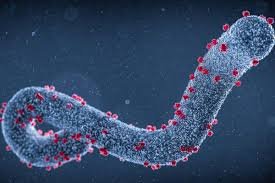

According to Oxford a Virus is described as"
an infective agent that typically consists of a nucleic acid molecule in a protein coat, is too small to be seen by light microscopy, and is able to multiply only within the living cells of a host. Their ability to replicate only within living cells makes them a persistent threat to health and well-being. Understanding the causal agents, the effects of viral infections, and measures to prevent their spread is essential for mitigating their impact on individuals and communities.
The Causal Agent: Viruses and Their Nature
Viruses are non-living entities composed of genetic material, either DNA or RNA, encased in a protein coat called a capsid. Some viruses are further enveloped in a lipid layer derived from host cells. They lack cellular structures necessary for independent life, relying entirely on host cells for reproduction. Common examples include the influenza virus, human immunodeficiency virus (HIV), and coronaviruses like SARS-CoV-2.
Scientist recently mentioned that These pathogens exhibit significant diversity, with some targeting specific tissues or species. Their high mutation rates enable them to adapt quickly to environmental changes, contributing to the emergence of new strains and complicating efforts to control their spread.
Effects of Viral Infections
Viral infections can have a range of effects, from mild symptoms to severe, life-threatening conditions. For instance, the common cold, caused by rhinoviruses, typically results in minor discomfort, while viruses like Ebola and SARS-CoV-2 can cause severe systemic illness or death.
The effects of viral infections depend on factors such as the virulence of the virus, the immune response of the host, and the presence of underlying conditions. For example, HIV attacks the immune system, leading to acquired immunodeficiency syndrome (AIDS), making individuals vulnerable to opportunistic infections. On a larger scale, outbreaks can overwhelm healthcare systems, disrupt economies, and cause widespread social disruption, as observed during the COVID-19 pandemic.
Prevention Measures
Preventing viral infections requires a multi-pronged approach that includes personal hygiene, vaccination, public health policies, and advancements in technology.
- Personal Hygiene and Behavior
Good hygiene practices are fundamental in preventing viral infections. Regular handwashing with soap, using hand sanitizers, and avoiding touching the face reduce the risk of transmission. Respiratory viruses like influenza and COVID-19 can be mitigated by wearing masks in crowded settings and maintaining physical distance. - Vaccination
Vaccination is among the most effective tools for preventing viral diseases. Vaccines stimulate the immune system to recognize and combat specific viruses, significantly reducing the incidence of diseases such as measles, polio, and COVID-19. Widespread immunization also contributes to herd immunity, protecting those who cannot be vaccinated. - Public Health Measures
Governments and health organizations play a critical role in controlling viral outbreaks through surveillance, quarantine measures, and public education. During epidemics or pandemics, timely dissemination of information and coordinated responses are vital to curtailing the spread. - Technological Advancements
Advancements in biotechnology and artificial intelligence have enhanced the development of antiviral drugs and vaccines. Techniques such as mRNA vaccine technology, first widely used during the COVID-19 pandemic, have revolutionized the speed and efficiency of vaccine production. - Environmental and Societal Interventions
Addressing environmental factors such as overcrowding and poor sanitation can reduce the prevalence of viruses that thrive in such conditions. Education and awareness campaigns also help foster a culture of health-conscious behavior.
Conclusion
Viruses will continue to challenge human health due to their adaptive nature and potential for causing widespread harm. However, a combination of preventive measures rooted in hygiene, vaccination, public health infrastructure, and scientific innovation provides a robust defense against these pathogens. Collaborative efforts at the individual, community, and global levels are essential to mitigate the effects of viral infections and build resilience against future outbreaks.
for more information or questions about health, you can visit https://www.britannica.com/science/virus/Disease